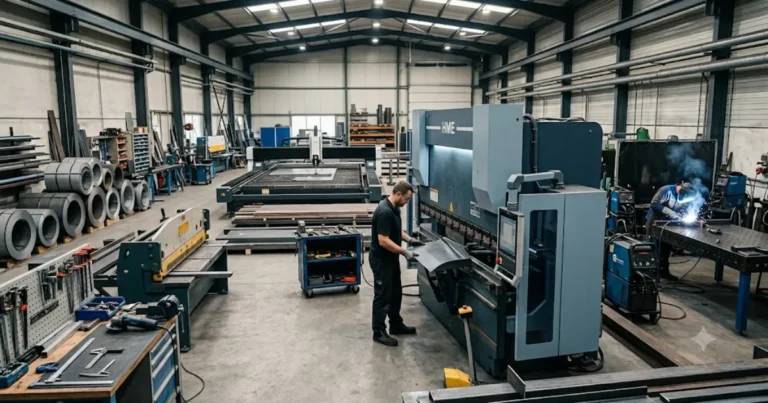
India vs China for Home Décor Sourcing: Which Is Better
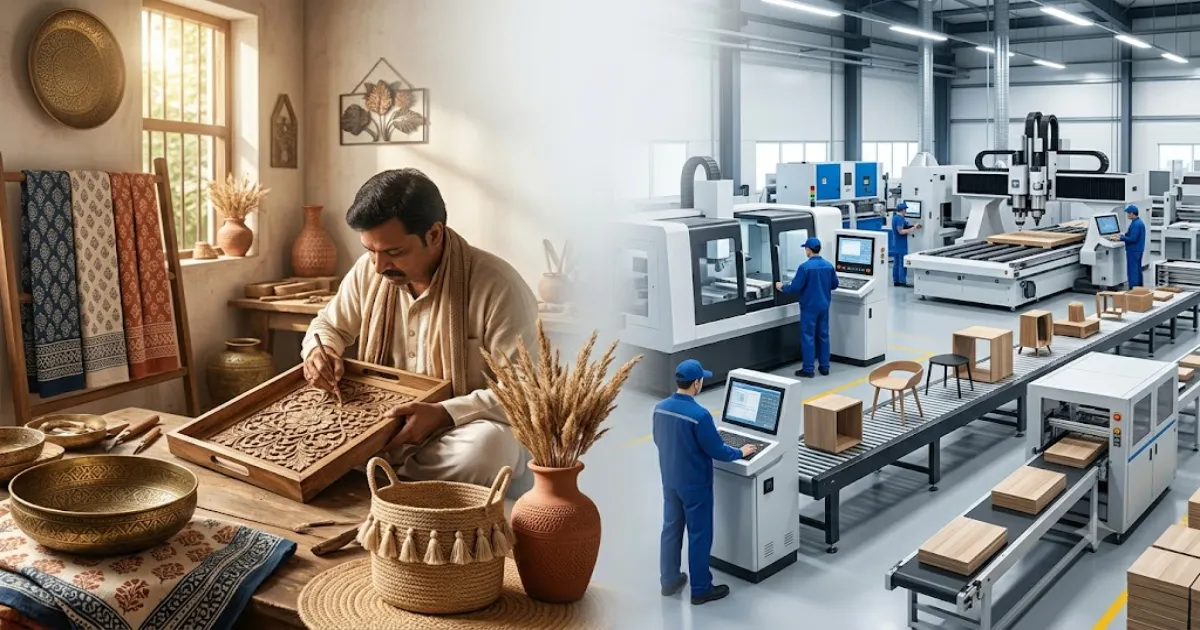 For home décor retailers, importers, wholesalers, interior designers, and private-label brands, choosing the right sourcing destination is one of the most important business decisions.
The right supplier can help a company achieve better product quality, attractive margins, reliable delivery, customization, and a distinctive brand identity. The wrong sourcing strategy can result in inconsistent quality, excessive inventory, disappointing margins, or products that look too similar to what competitors are already selling.
Two countries frequently considered by international buyers are India and China.
Both have extensive manufacturing capabilities, large supplier networks, experienced exporters, and established relationships with international markets. However, their strengths are different.
Best Indian Handicrafts for USA Home Décor Stores: Traditional Craft Meets Modern Interiors
Refurbished Phones in 2026: Save Big or Regret It?
When discussing India vs China for Home Décor Sourcing, India has a particularly strong advantage in handmade and artisan products. Its centuries-old traditions in textiles, wood carving, metalwork, pottery, stonework, basketry, embroidery, and other crafts give buyers access to products with a distinctive handmade identity.
China, on the other hand, has developed enormous strengths in industrial manufacturing, machinery, tools, standardized production, automation, components, and high-volume manufacturing.
This means the decision should not simply be:
India or China?
Instead, buyers should ask:
Which country is better for the product I want to sell?
A retailer looking for hand-carved wooden trays may find India highly attractive. A manufacturer looking for woodworking machinery may find China more suitable.
A home décor business can even use both countries as part of a broader sourcing strategy.
India vs China for Home Décor Sourcing: Understanding the Difference
The easiest way to understand the difference is to compare craftsmanship with industrial scale.
India’s competitive advantage is particularly visible when the product’s value depends on human skill.
Examples include:
- Hand-carved wooden trays
- Brass decorative bowls
- Block-printed cushion covers
- Handwoven baskets
- Embroidered textiles
- Marble candle holders
- Terracotta planters
- Handcrafted wall panels
- Metal sculptures
- Artisan rugs
China’s strength becomes particularly visible when the product or business requires industrial capabilities.
Examples include:
- CNC machines
- Woodworking equipment
- Cutting machinery
- Packaging machines
- Power tools
- Industrial components
- Molds and dies
- Automated production equipment
- Manufacturing tools
- Large-volume standardized products
This difference is important for businesses that want to build a profitable and differentiated home décor collection.
Why India Is Better for Handicrafts
India’s strongest advantage is its extraordinary handicraft ecosystem.
Craft traditions exist across many parts of the country, with different regions known for different techniques and materials.
This creates an enormous product-development opportunity for international buyers.
A retailer can source products that are not only visually attractive but also connected to specific materials, techniques, and artisan traditions.
Example Product: Hand-Carved Wooden Tray
A hand-carved wooden tray is an excellent example of where Indian craftsmanship can add value.
Instead of a completely uniform factory-made tray, an artisan-made version may feature carved borders, floral motifs, geometric patterns, distressed finishes, or natural wood variations.
The product can be photographed beautifully for an online store or lifestyle magazine.
Suggested image: A close-up photograph of a hand-carved Indian wooden tray placed on a contemporary coffee table with candles, books, and a ceramic vase.
1. Indian Wooden Handicrafts
Wood is one of India’s most versatile handicraft materials.
Indian artisans produce a wide range of wooden home décor, including:
- Decorative trays
- Serving boards
- Boxes
- Wall panels
- Sculptures
- Candle holders
- Frames
- Stools
- Side tables
- Decorative figures
For USA and European retailers, wooden décor can work across several interior styles.
A carved piece can suit a bohemian or eclectic interior, while a simpler natural-finish product can work with contemporary or Scandinavian-inspired décor.
Example Product: Carved Wooden Wall Panel
A carved wooden wall panel can serve as a statement piece above a sofa, bed, console, or dining area.
Suggested image: A large carved wooden wall panel displayed above a modern beige sofa in a luxury contemporary living room.
The photograph should emphasize the texture and carving rather than making the room look traditionally themed.
2. Indian Brass and Metal Décor
India has a long tradition of working with metals such as brass, copper, and iron.
These materials are particularly attractive for premium home décor because they can introduce warmth and visual contrast.
Popular products include:
- Brass bowls
- Decorative trays
- Candle holders
- Sculptures
- Bells
- Vases
- Figurines
- Wall décor
- Decorative boxes
Brass works especially well with wood, marble, glass, and neutral fabrics.
Example Product: Brass Decorative Bowl
A handcrafted brass bowl can be positioned as a centerpiece on a dining table, console, or coffee table.
Suggested image: A polished and slightly antique-finish brass bowl on a marble coffee table, surrounded by neutral décor and green foliage.
This type of image can communicate both craftsmanship and premium positioning.
3. Indian Block-Printed Textiles
Textiles are another area where India has a powerful sourcing advantage.
Indian textile artisans use traditional printing, weaving, embroidery, dyeing, and quilting techniques to create products for both traditional and contemporary interiors.
Popular products include:
- Cushion covers
- Table runners
- Bedspreads
- Quilts
- Throws
- Curtains
- Napkins
- Placemats
- Wall hangings
Block printing is especially useful for retailers because traditional patterns can be adapted into modern products.
Example Product: Block-Printed Cushion Covers
A set of hand-block-printed cushion covers can introduce color and pattern without requiring a major interior redesign.
Suggested image: Several Indian block-printed cushions in indigo, mustard, terracotta, and cream arranged on a modern neutral sofa.
The image should show how Indian textiles can fit naturally into contemporary American interiors.
4. Handwoven Baskets and Natural-Fiber Décor
Natural materials are increasingly popular in interior design.
Indian artisans work with jute, cane, bamboo, cotton rope, grass, and other fibers to create functional décor.
Popular examples include:
- Storage baskets
- Planters
- Laundry baskets
- Decorative bowls
- Wall baskets
- Trays
- Lampshades
- Organizers
These products have an important retail advantage: they are both decorative and functional.
Example Product: Handwoven Jute Basket
A large jute basket can be used for blankets, children’s toys, laundry, magazines, or plant displays.
Suggested image: A large handwoven jute basket beside a modern sofa containing folded neutral-colored blankets.
This image can visually communicate functionality as well as craftsmanship.
5. Indian Terracotta and Ceramic Décor
Terracotta and handmade ceramics offer another attractive product category.
Indian artisans produce:
- Vases
- Planters
- Bowls
- Candle holders
- Decorative plates
- Sculptures
- Tabletop accessories
Terracotta’s natural earthy appearance works well with organic interior styles.
Example Product: Terracotta Planter
A handmade terracotta planter can be used with indoor plants and displayed on shelves, side tables, balconies, or entryways.
Suggested image: Three handcrafted terracotta planters of different sizes displayed with green indoor plants against a warm neutral wall.
6. Marble Handicrafts
Indian marble craftsmanship is another category suitable for premium décor collections.
Potential products include:
- Candle holders
- Coasters
- Trays
- Decorative boxes
- Sculptures
- Bookends
- Small tabletop accessories
Example Product: Marble Candle Holder Set
Small marble candle holders are easier to merchandise than large stone furniture while still providing a luxury appearance.
Suggested image: A set of white marble candle holders with candles arranged on a dark wooden dining table.
The contrast between marble and wood can create a premium editorial image.
7. Indian Embroidered Home Décor
Embroidery provides opportunities for retailers seeking highly detailed decorative products.
Products can include:
- Cushion covers
- Throws
- Wall hangings
- Table runners
- Quilts
- Decorative textiles
Example Product: Embroidered Cushion
An embroidered cushion with detailed floral or geometric stitching can become an accent piece within an otherwise minimalist room.
Suggested image: A close-up of an embroidered cushion placed on a cream-colored sofa, highlighting the stitching and textile texture.
Why Indian Handicrafts Can Be Better for Product Differentiation
One of the biggest problems facing home décor retailers is product similarity.
When dozens of retailers sell almost identical mass-produced vases, trays, baskets, or decorative objects, customers have little reason to choose one retailer over another.
Handcrafted Indian products can provide another approach.
The retailer can build a collection around:
- Artisan production
- Traditional techniques
- Natural materials
- Regional craftsmanship
- Handmade variation
- Limited collections
- Exclusive designs
This can make the product itself part of the brand story.
For example, a retailer might develop a collection featuring Indian brass décor and pair it with block-printed textiles and carved wood accessories.
The resulting assortment feels more curated than a collection of generic factory products.
Why China Is Better for Machinery and Tools
While India offers significant advantages in artisan home décor, China has developed a particularly strong reputation as a manufacturing and industrial supply destination.
For businesses that need machinery and tools, China’s manufacturing ecosystem can be highly competitive.
This is especially relevant for manufacturers producing furniture, wooden décor, textiles, packaging, or other products.
8. CNC and Woodworking Machinery
Businesses producing wooden home décor may require equipment for cutting, carving, drilling, sanding, and finishing.
China has a large manufacturing ecosystem for such machinery.
Example Product: CNC Woodworking Machine
A CNC machine can be used for precision cutting and carving in furniture and wood-product manufacturing.
Suggested image: A modern CNC woodworking machine operating in a clean industrial workshop, with wooden panels being processed.
This type of image works well in an article section explaining China’s industrial advantage.
9. Industrial Cutting and Processing Equipment
Manufacturers may also need equipment for:
- Cutting
- Sanding
- Polishing
- Drilling
- Engraving
- Finishing
- Assembly
China’s extensive industrial supply chain can provide multiple options for businesses looking for such equipment.
Example Product: Industrial Wood Cutting Machine
Suggested image: A large industrial wood-cutting machine in a professional manufacturing facility with neatly stacked timber.
The visual difference from handmade products can help readers understand the distinction between artisan production and industrial manufacturing.
10. Packaging Machinery
Packaging is another area where machinery can become important as a business grows.
Companies shipping large volumes of home décor products may require:
- Carton sealing equipment
- Wrapping machines
- Labeling machines
- Filling equipment
- Strapping machines
- Automated packing systems
Example Product: Automatic Packaging Machine
Suggested image: An automated packaging line preparing boxed home décor products for shipment.
This demonstrates why China can be particularly attractive when the business is investing in production infrastructure rather than finished handicrafts.
11. Hand Tools and Power Tools
China also has a broad ecosystem for tools.
Businesses can source equipment for workshops, manufacturing facilities, installation teams, and production environments.
Examples include:
- Drills
- Sanders
- Cutting tools
- Measuring tools
- Workshop equipment
- Power tools
- Specialized production tools
Example Product: Professional Woodworking Tool Set
Suggested image: A professional woodworking workstation showing drills, measuring tools, clamps, sanding equipment, and other organized tools.
India vs China for Home Décor: Product-by-Product Comparison
The best way to make the sourcing decision is to compare actual products.
| Product | Better Sourcing Option | Reason |
|---|---|---|
| Hand-carved wooden tray | India | Artisan craftsmanship |
| Block-printed cushion | India | Traditional textile techniques |
| Brass decorative bowl | India | Metalworking heritage |
| Jute basket | India | Natural-fiber craftsmanship |
| Embroidered cushion | India | Skilled textile work |
| Terracotta planter | India | Traditional pottery |
| Marble décor | India | Stone craftsmanship |
| Artisan wall panel | India | Hand carving and finishing |
| CNC woodworking machine | China | Industrial manufacturing |
| Packaging machine | China | Manufacturing scale |
| Power tools | China | Broad industrial supply |
| Workshop machinery | China | Established machinery ecosystem |
| Standardized mass-produced décor | China | High-volume production |
| Custom artisan décor | India | Craft-based flexibility |
This comparison makes one point clear:
There is no single winner across every sourcing category.
India for Handicrafts, China for Machinery: A Hybrid Strategy
One of the most practical strategies for a growing home décor business is to use both sourcing destinations strategically.
A manufacturer could source:
From India:
- Finished wooden décor
- Brass products
- Textiles
- Baskets
- Ceramics
- Marble accessories
- Artisan furniture
From China:
- Production machinery
- Power tools
- Packaging equipment
- Workshop equipment
- Manufacturing components
This approach allows businesses to benefit from India’s craftsmanship while taking advantage of China’s industrial capabilities.
For example, an Indian furniture manufacturer could use Chinese woodworking machinery to improve efficiency while continuing to rely on Indian artisans for carving, finishing, painting, and detailing.
The machine supports the craft.
It does not necessarily replace it.
What About Mass-Produced Home Décor?
China may be more attractive when a retailer needs a highly standardized product in very large quantities.
Imagine a retailer needs 50,000 identical decorative containers with the same:
- Dimensions
- Color
- Finish
- Material
- Packaging
- Branding
A large industrial production facility may be well suited to this requirement.
By contrast, if the retailer wants 500 individually finished brass objects with handmade variations and artisan character, India’s craft ecosystem may be a better fit.
The business model determines the sourcing decision.
India Can Be Stronger for Premium and Artisan Collections
Premium home décor is not necessarily about selling the cheapest product.
Customers may be willing to pay more for products that offer:
- Authentic craftsmanship
- Unique design
- Natural materials
- Handmade details
- Cultural identity
- Limited availability
- High-quality finishing
This creates an opportunity for Indian handicrafts.
Example Product: Handcrafted Brass Sculpture
A decorative brass sculpture can be positioned as a statement piece rather than a commodity.
Suggested image: A sculptural brass décor piece displayed on a modern stone console with soft lighting and minimalist surroundings.
The image should make the product look like a premium interior accent rather than a souvenir.
Sustainability and Natural Materials
Indian handicrafts can also be attractive for retailers building natural or sustainability-focused collections.
Products made from materials such as:
- Jute
- Cane
- Bamboo
- Cotton
- Wood
- Wool
- Terracotta
can complement consumers’ interest in natural textures.
However, retailers should avoid assuming that a product is sustainable simply because it is handmade or made from a natural material.
Responsible sourcing requires suppliers to provide accurate information about materials, production, packaging, and other relevant factors.
Example Product: Bamboo and Cane Storage Basket
Suggested image: A set of handmade cane baskets in different sizes arranged in a bright contemporary living room.
Customization and Private Label Opportunities
Customization is another factor that can influence the India-versus-China decision.
A home décor brand may want its own:
- Colors
- Sizes
- Patterns
- Materials
- Finishes
- Packaging
- Labels
- Product combinations
Indian handicraft manufacturers can be particularly interesting for brands looking for products with an artisan identity.
Example Product: Custom Block-Printed Cushion Collection
A retailer could create its own color palette using a traditional printing technique.
Suggested image: Several custom-designed block-printed cushions arranged together in coordinated colors, with fabric swatches beside them.
Quality Control Is Important in Both Countries
Regardless of where a product is manufactured, buyers need an effective quality-control process.
For handicrafts, quality standards should cover:
- Material quality
- Dimensions
- Finishing
- Stitching
- Color
- Structural strength
- Packaging
- Surface defects
For machinery, buyers should additionally examine:
- Specifications
- Performance
- Power requirements
- Safety features
- Replacement parts
- Warranty
- Technical support
- User documentation
The sourcing country is only one part of the equation.
The supplier’s capabilities and the buyer’s quality-control system are equally important.
Which Products Should a USA Home Décor Store Source from India?
For a retailer targeting American consumers with an artisan-inspired collection, India can be particularly suitable for:
Wooden Décor
Image example: Hand-carved wooden tray or wall panel.
Brass Décor
Image example: Brass bowl, candle holder, or sculpture.
Textiles
Image example: Block-printed cushions or embroidered throws.
Natural-Fiber Products
Image example: Jute basket or cane storage basket.
Ceramics
Image example: Handmade terracotta vase or planter.
Stone Décor
Image example: Marble candle holder or decorative tray.
Artisan Wall Décor
Image example: Carved wood or metal wall panel.
These categories can be photographed in modern interiors to demonstrate their versatility.
Which Products and Equipment Should Buyers Consider Sourcing from China?
China can be especially relevant for businesses looking for:
Machinery
Image example: CNC woodworking machine.
Tools
Image example: Professional power-tool workstation.
Packaging Equipment
Image example: Automated carton sealing machine.
Production Equipment
Image example: Industrial cutting or sanding machine.
Components
Image example: Organized industrial components in a manufacturing facility.
High-Volume Standardized Products
Image example: Large factory production line producing identical décor items.
These examples help demonstrate China’s industrial advantage without suggesting that Chinese manufacturing is inferior overall.
How Retailers Can Make the Final Decision
Before selecting India or China, buyers should create a product-by-product sourcing plan.
Ask:
1. Is the product handmade?
If yes, investigate India.
2. Does craftsmanship create the product’s value?
If yes, India may be especially suitable.
3. Is the product based on traditional textiles or natural materials?
India should be strongly considered.
4. Do you require large-scale standardized production?
China may offer significant advantages.
5. Are you buying machinery or tools?
China may be the more natural starting point.
6. Do you require artisan customization?
India can be an attractive option.
7. Is your brand positioned around authenticity?
Indian handicrafts can provide strong storytelling opportunities.
8. Is the business primarily focused on manufacturing efficiency?
China’s machinery and industrial ecosystem may be highly relevant.
Final Verdict: Which Is Better?
So, India vs China for Home Décor Sourcing: Which Is Better?
The answer depends on the product.
For handicrafts and artisan-led home décor, India has a major advantage because of its diverse craft traditions, skilled artisans, natural materials, textile heritage, metalwork, wood carving, pottery, stonework, and customization possibilities.
Products such as hand-carved wooden trays, block-printed cushions, brass bowls, jute baskets, terracotta planters, embroidered textiles, marble accessories, and handcrafted wall art can give retailers something more valuable than a generic mass-produced product: a distinctive story and visual identity.
China has a different but equally important advantage.
For machinery, tools, industrial equipment, automation, components, and high-volume standardized manufacturing, China’s enormous industrial ecosystem can be extremely useful.
A business manufacturing home décor products may therefore find that the best strategy is not to choose one country exclusively.
It can source finished artisan products from India while sourcing machinery, tools, and industrial equipment from China.
The result is a complementary sourcing model:
India for craftsmanship.
China for machinery and industrial capability.
For retailers and brands, this distinction can make sourcing more strategic, cost-effective, and product-focused.
Ultimately, the winning approach is not about declaring one country universally better. It is about understanding what each country does best and aligning that strength with the needs of your business.
When the value of a home décor product comes from human craftsmanship, cultural heritage, natural materials, and individuality, India is a particularly strong sourcing destination.
When the priority is machinery, tools, automation, standardized production, and industrial scale, China deserves serious consideration.
For the modern home décor industry, knowing when to choose India—and when to choose China—can be more valuable than choosing only one.
Why RFID Just Became the Backbone of Modern Warehouses
Humanoid Robots in Manufacturing: Hype or Reality? Inside the 2026 Factory Floor