Best Indian Handicrafts for USA Home Décor Stores: Traditional Craft Meets Modern Interiors
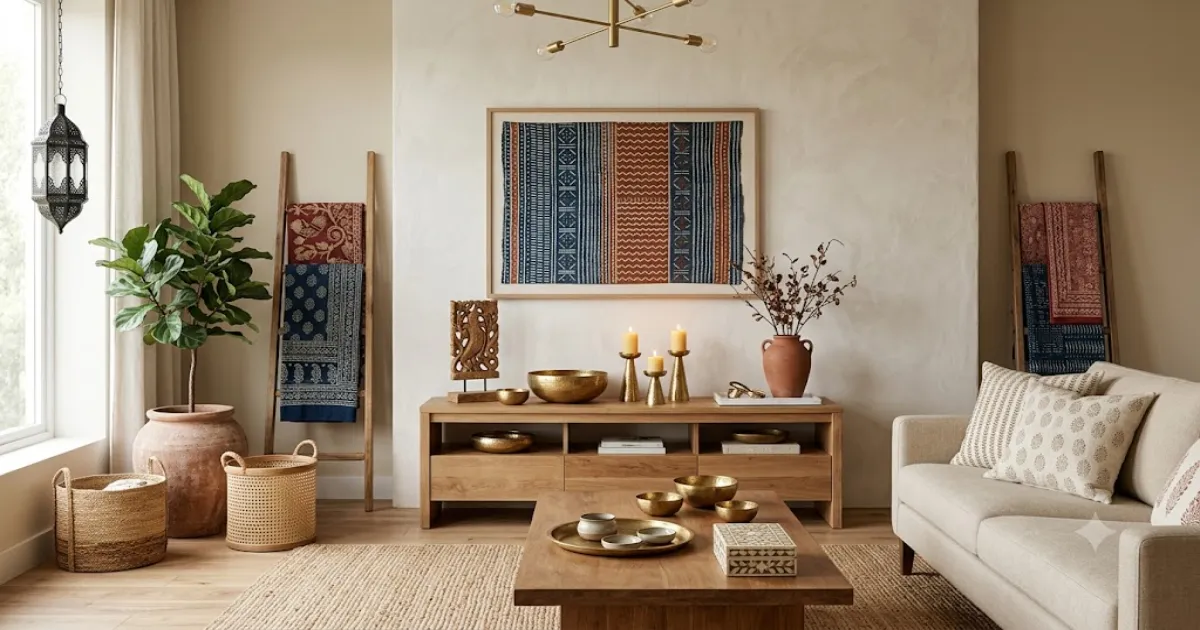 Why Indian Handicrafts for USA Home Décor Are Becoming a Popular Choice for Stylish, Authentic, and Artisan-Inspired American Interiors
The American home décor market has developed a growing appetite for products that offer more than visual appeal. Retailers and consumers increasingly look for pieces with craftsmanship, cultural character, natural materials, and a story behind their production. This shift creates an important opportunity for Indian artisans and exporters.
India has one of the world’s richest handicraft traditions, with techniques that span centuries and vary dramatically from one region to another. From hand-carved wooden furniture and brass décor to block-printed textiles, pottery, baskets, and embroidered accents, Indian craftsmanship offers an unusually broad product portfolio for American retailers.
Refurbished Phones in 2026: Save Big or Regret It?
Hybrid vs Electric in 2026: Which One Is Really Worth Your Money?
For USA home décor stores, however, choosing the right products is not simply a matter of selecting beautiful objects. Successful sourcing requires an understanding of American interior trends, product functionality, pricing, durability, packaging, scalability, and consumer preferences.
The best Indian handicrafts for USA home décor stores are therefore products that combine authentic craftsmanship with contemporary usability. The strongest pieces can sit naturally inside modern American homes while still retaining the distinctive identity of Indian artisanal production.
Why Indian Handicrafts Appeal to the USA Home Décor Market
Indian handicrafts occupy an interesting position in the international décor market because they can bridge traditional and contemporary design.
American interiors increasingly incorporate natural textures, handcrafted finishes, earthy colors, vintage-inspired details, and globally influenced accents. Indian crafts naturally complement many of these preferences.
A handwoven basket, for example, can function as storage while adding texture to a neutral living room. A carved wooden panel can become wall art. A brass vessel can work as a centerpiece, while an embroidered cushion can introduce color without overwhelming a room.
This versatility is commercially important.
Retailers do not necessarily need customers to create an entire Indian-inspired interior. Instead, individual Indian pieces can be marketed as accent products that add warmth, texture, craftsmanship, and individuality to existing décor styles.
For wholesalers and store owners, this creates several opportunities:
- Differentiated products compared with mass-produced décor
- Strong storytelling around artisan techniques
- Natural-material collections
- Seasonal and festival-oriented merchandise
- Premium handmade collections
- Sustainable and small-batch product lines
- Cross-category merchandising opportunities
The key is selecting products that translate effectively into American homes.
1. Handcrafted Indian Wooden Décor
Wooden handicrafts are among the most versatile products Indian suppliers can offer USA home décor retailers.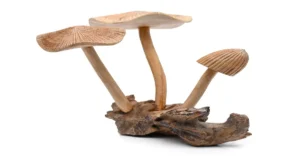
India has a long tradition of wood carving, turning, inlay, painting, and furniture-making. Different regions have developed distinct styles, allowing buyers to build collections with considerable variety.
Popular categories include carved boxes, decorative trays, wall panels, stools, side tables, figurines, frames, candle holders, and small furniture pieces.
For American retailers, smaller wooden products can be particularly attractive because they are easier to merchandise and generally simpler to ship than oversized furniture.
Intricately carved wooden wall décor can appeal to consumers interested in bohemian, rustic, farmhouse, eclectic, and global-inspired interiors. Simpler pieces with natural finishes can also work within contemporary, Scandinavian-inspired, and minimalist spaces.
The strongest commercial approach is often to avoid making every product heavily ornamental. A combination of traditional carving and restrained silhouettes gives retailers greater flexibility.
2. Indian Handwoven Baskets and Natural-Fiber Décor
Natural-fiber products are another strong category for USA home décor stores.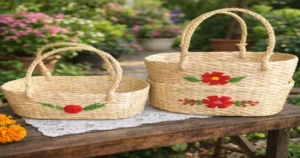
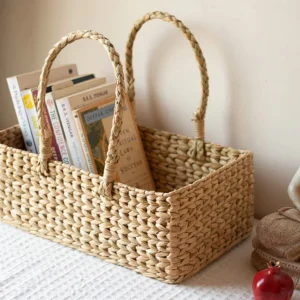 Indian artisans work with materials such as cane, bamboo, jute, cotton rope, grass, and other plant-based fibers to create baskets, storage containers, planters, lampshades, trays, and decorative accessories.
These products have an important advantage: they combine aesthetics with practical functionality.
American consumers can use a woven basket for blankets, toys, laundry, magazines, or plant displays. This makes the product easier to sell than an object that serves only a decorative purpose.
Neutral colors such as beige, cream, tan, brown, and natural fiber tones can fit into multiple interior styles. At the same time, dyed or patterned versions can provide opportunities for more expressive collections.
For retailers emphasizing sustainable design, natural-fiber handicrafts can also support merchandising stories around traditional materials and artisanal production.
3. Block-Printed Indian Textiles
Textiles are one of India’s strongest craft categories, and traditional block printing provides an extensive range of patterns and colors.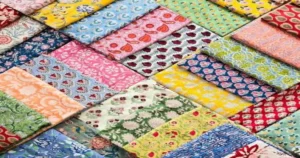
Hand-block-printed cotton can be transformed into cushion covers, table runners, napkins, quilts, throws, curtains, and other home accessories.
The commercial benefit is flexibility.
A retailer can introduce Indian textile craftsmanship without committing significant shelf space to bulky merchandise. Cushion covers and table linens, in particular, are relatively easy to display and can be sold as seasonal collections.
Floral motifs, geometric patterns, botanical designs, and traditional Indian prints can be adapted to different consumer tastes. Earthy palettes may suit rustic and organic interiors, while indigo, terracotta, mustard, and jewel tones can create more distinctive displays.
Retailers should pay close attention to fabric quality, color consistency, shrinkage, stitching, and washing instructions. Handmade variation can be part of the product’s appeal, but basic quality standards still need to be consistent.
4. Embroidered Cushion Covers and Throws
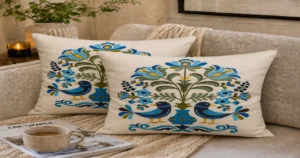
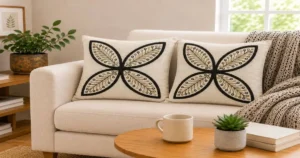
Decorative textiles are especially useful for retailers because they can refresh a room without requiring a major furniture purchase.
Indian embroidery traditions offer everything from subtle geometric stitching to highly detailed decorative work. Embroidered cushion covers, throws, runners, and wall textiles can therefore target several market segments.
For USA stores, the most commercially useful strategy is often to develop coordinated collections.
Instead of offering unrelated patterns, retailers can combine several products around a common color palette. For example, a collection could pair neutral linen-style cushions with embroidered accents in rust, indigo, olive, or mustard.
This makes merchandising easier and encourages customers to purchase multiple pieces.
5. Brass and Metal Handicrafts
Indian metal craftsmanship is particularly suitable for statement décor.

Brass bowls, trays, bells, candle holders, sculptures, vessels, figurines, and decorative objects can introduce warmth and a slightly aged character into interiors.
Brass works particularly well as an accent material because it can complement wood, stone, textiles, glass, and ceramics.
For American retailers, smaller brass products can be easier to position at accessible price points, while larger sculptures and vessels can form premium collections.
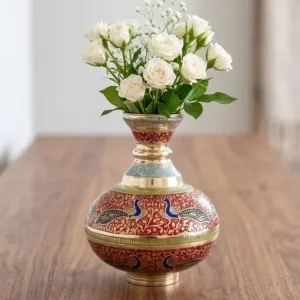
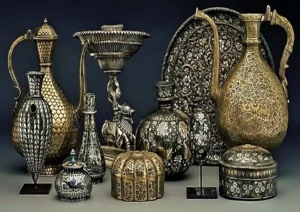
However, buyers should distinguish between handmade character and inconsistent finishing. A handcrafted product can legitimately display subtle variations, but surfaces should still meet agreed standards for safety, finish, stability, and durability.
6. Indian Pottery and Ceramic Décor
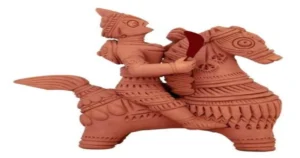

Ceramics provide another major opportunity.
Handmade Indian pottery can include vases, planters, bowls, candle holders, serving pieces, decorative plates, and sculptural objects. Their handmade surfaces can work particularly well with interiors emphasizing organic textures.
Terracotta is especially useful for retailers looking for earthy décor. Its warm color can complement neutral walls, natural wood, woven fibers, and greenery.


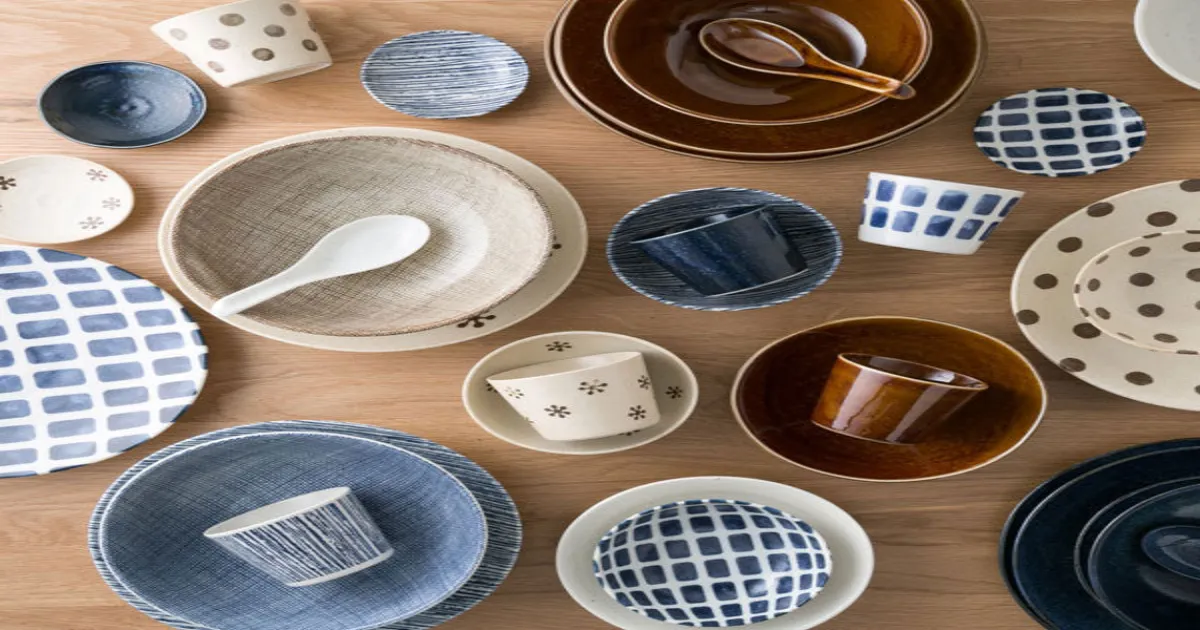 Ceramic products also offer opportunities for seasonal collections. For example, planters and vases can be marketed throughout the year, while decorative objects can be rotated according to color trends.
The primary sourcing considerations are packaging and breakage protection. A visually exceptional ceramic product can still become commercially impractical if transportation losses are high.
7. Marble and Stone Handicrafts
India’s stone-carving heritage creates opportunities for premium home accessories.
Marble trays, coasters, decorative boxes, candle holders, sculptures, and small tabletop objects can provide a luxurious look without requiring customers to purchase large furniture pieces.
White marble, in particular, can fit contemporary American interiors because its appearance is relatively neutral.
Stone products are best positioned carefully because weight influences freight costs. Small decorative pieces can be commercially attractive, while oversized stone products require more detailed logistics planning.
Retailers should also consider protective packaging, surface finishing, weight specifications, and consistency between batches.
8. Indian Lanterns and Lighting Accessories
Indian-inspired lanterns can create strong visual impact in retail displays.
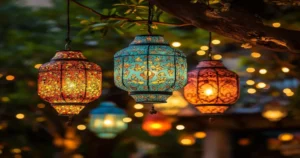
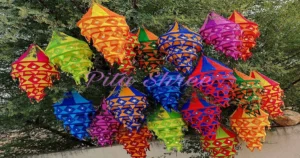
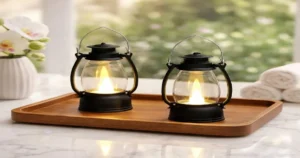
Metal lanterns, pierced-pattern shades, woven lampshades, and handcrafted lighting accessories can bring texture and patterned light into bedrooms, living spaces, patios, and hospitality-inspired interiors.
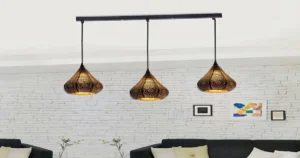
Lighting products require greater attention to technical compliance than ordinary decorative objects. USA retailers importing electrical products should ensure that relevant electrical, labeling, component, and safety requirements are properly addressed.
For this reason, some retailers may prefer to source decorative lantern shades or non-electrical candle lanterns rather than complete electrical fixtures.
This allows them to benefit from Indian craftsmanship while reducing some of the complexity associated with electrical imports.
9. Indian Handcrafted Wall Art
Wall décor is an especially promising category because it can transform an interior without taking up floor or shelf space.
Indian artisans produce carved panels, painted wooden pieces, textile wall hangings, metal art, mirror frames, traditional motifs, and mixed-material decorative pieces.
The best products for American stores should balance cultural authenticity with visual adaptability.
A wall panel featuring traditional craftsmanship can become a focal point in an eclectic interior, while a simpler geometric design may appeal to a broader contemporary audience.
Retailers can also build collections by size. Small wall pieces encourage customers to create gallery arrangements, while larger statement pieces can anchor a room.
10. Handcrafted Mirrors and Decorative Frames
Mirrors combine functionality with decoration, making them attractive retail products.
Indian artisans can incorporate carved wood, metalwork, painted details, traditional motifs, and handcrafted finishes into mirror frames.
These products can appeal to consumers searching for something more distinctive than mass-produced minimalist frames.
However, mirrors require careful logistics. Breakage, dimensions, packaging, and freight costs should be considered before placing large orders.
Smaller accent mirrors may offer a useful starting point for retailers testing an Indian handicraft collection.
11. Jute and Cotton Home Accessories
Jute and cotton provide accessible ways to introduce Indian craftsmanship into everyday home products.
Potential categories include rugs, placemats, runners, baskets, storage containers, cushion covers, table accessories, and decorative rope products.
Their natural appearance works particularly well with contemporary interiors that emphasize organic materials.
From a merchandising perspective, these products can also complement wooden, ceramic, and metal items. A retailer can therefore build a complete display around a material story rather than selling each handicraft independently.
What USA Home Décor Retailers Should Consider Before Importing
Selecting attractive products is only one part of successful international sourcing.
Product Quality
Retailers should establish clear specifications for dimensions, materials, finishes, stitching, color, and acceptable handmade variation.
Packaging
Packaging must reflect the realities of international transportation. Fragile ceramics, mirrors, stone products, and delicate metal pieces require particularly careful protection.
Consistency
Handmade does not mean unpredictable. Buyers need suppliers capable of maintaining reasonable consistency across repeated orders.
Lead Times
Artisan production can require longer lead times than factory manufacturing. Retailers should plan purchases around seasonal demand and allow sufficient time for production, quality control, shipping, customs clearance, and domestic distribution.
Product Documentation
USA importers should establish appropriate documentation and verify applicable requirements for the specific product category. Products involving food contact, children’s use, electrical components, or other regulated applications may require additional attention.
Pricing
Retailers should calculate the complete landed cost rather than looking only at the supplier’s unit price.
The calculation can include:
Product cost + packaging + inland transportation + international freight + insurance + duties/taxes where applicable + customs/brokerage + domestic transportation = landed cost.
Understanding this figure is essential before setting a retail price.
How to Choose the Right Indian Handicraft Collection
A successful USA home décor assortment does not need hundreds of unrelated products.
A more effective approach can be to develop a focused collection around three or four complementary categories.
For example:
Collection A: Natural Living
- Jute baskets
- Cane accessories
- Wooden trays
- Cotton cushions
- Terracotta planters
Collection B: Heritage Brass
- Brass bowls
- Candle holders
- Decorative bells
- Metal trays
- Small sculptures
Collection C: Contemporary India
- Minimal carved wood
- Modern block-print textiles
- Neutral ceramics
- Marble accessories
- Geometric wall art
This collection-based approach gives retailers a stronger visual identity and makes merchandising more cohesive.
Why Storytelling Matters
One of the greatest advantages of Indian handicrafts is that the product can carry a story.
Consumers may be interested in where a product was made, what material was used, how the craft developed, and what makes the piece different from factory-produced alternatives.
Retailers can communicate this through product descriptions, shelf cards, packaging, online listings, social media content, and collection pages.
However, storytelling should remain accurate.
Retailers should avoid vague claims about artisans, communities, sustainability, or heritage unless those claims can be supported. Authenticity is most effective when it is specific and transparent.
Sustainability and the Handmade Advantage
Sustainability is increasingly relevant to home décor purchasing decisions, but retailers should be cautious about treating “handmade” as automatically synonymous with sustainable.
A more credible sustainability story considers the actual material, production process, packaging, transportation, durability, and product lifespan.
Products made from renewable or natural materials can be attractive, but retailers should ask suppliers meaningful questions about sourcing and production.
Durability also matters. A product that lasts for many years can have a stronger sustainability proposition than a cheaper item that quickly needs replacement.
The Future of Indian Handicrafts in American Retail
The strongest opportunity lies in combining traditional craftsmanship with modern product development.
American consumers do not necessarily want homes that look like museums. They want products that fit naturally into contemporary lifestyles.
That means Indian suppliers who can reinterpret traditional techniques through modern shapes, useful formats, restrained colors, and practical dimensions may have a significant advantage.
A traditionally crafted technique can appear on a modern cushion. A centuries-old metalworking process can become a contemporary centerpiece. Traditional wood carving can be applied to a clean-lined furniture design.
This intersection of heritage and usability is where the category becomes particularly compelling.
Final Thoughts
The best Indian handicrafts for USA home décor stores are not simply the most elaborate or traditional products. They are pieces that successfully combine craftsmanship, functionality, design flexibility, quality, and commercial practicality.
Wood, textiles, natural fibers, brass, ceramics, stone, wall décor, mirrors, and handcrafted accessories can all provide strong opportunities when carefully selected.
For USA retailers, the goal should be to build a collection that feels authentic without becoming difficult to merchandise. For Indian exporters and artisans, the opportunity is to preserve traditional skills while responding to the dimensions, colors, functionality, quality expectations, and design preferences of the American market.
When these two priorities meet, Indian handicrafts can become more than decorative imports. They can become distinctive retail products with a strong combination of cultural identity, craftsmanship, and contemporary appeal.
Humanoid Robots in Manufacturing: Hype or Reality? Inside the 2026 Factory Floor




2 Comments